Column · @theroofratexclusionedge
Why Roof Rat Exclusion Matters for Your Home in Cleveland TN
Roof rats are one of the most persistent and damaging pests we deal with in Cleveland TN. They don't just scurry across your attic floor at night. They chew through wiring, tear up attic insulation, and leave droppings that can spread disease. And because they are excellent climbers, they enter homes through openings most people never think to check. That is where roof rat exclusion becomes the single most effective strategy for long-term control.
I have been in this field long enough to see the same pattern repeat. A homeowner notices scratching above the ceiling, calls for help, and we find that the rats have been coming in through a gap around a roof vent or a loose soffit for months. By that point, the nest is established, and the insulation is ruined. The best approach is to stop them before they get in. Exclusion means sealing every possible entry point so the rats cannot enter in the first place. It is not glamorous work, but it works.
Understanding the Roof Rat
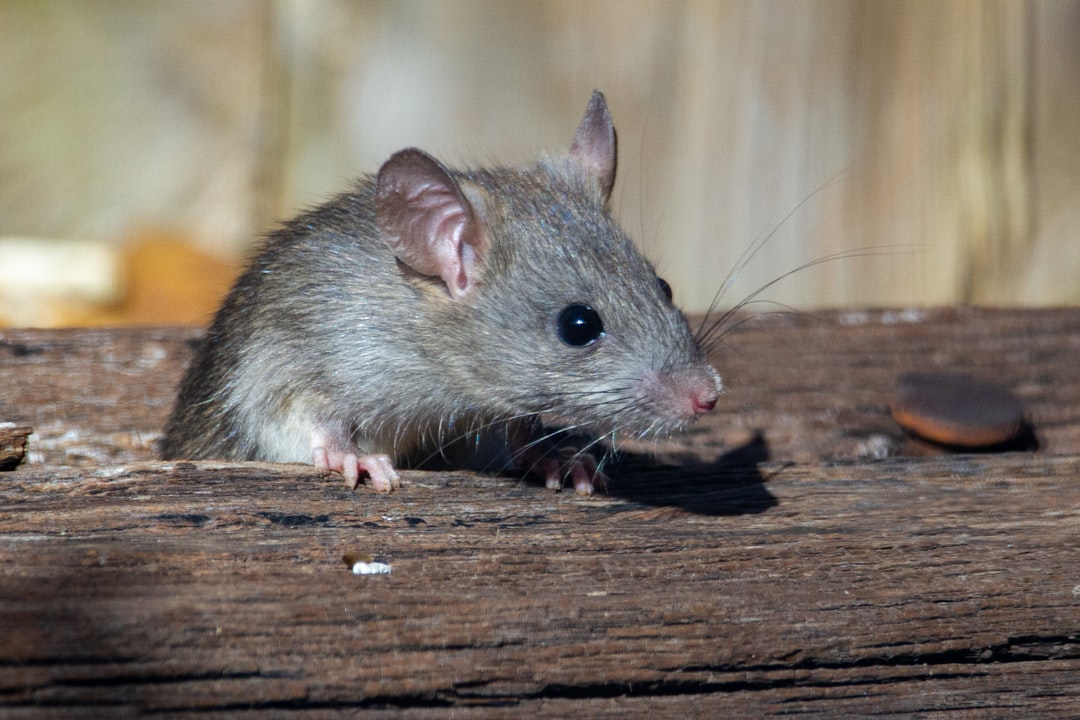
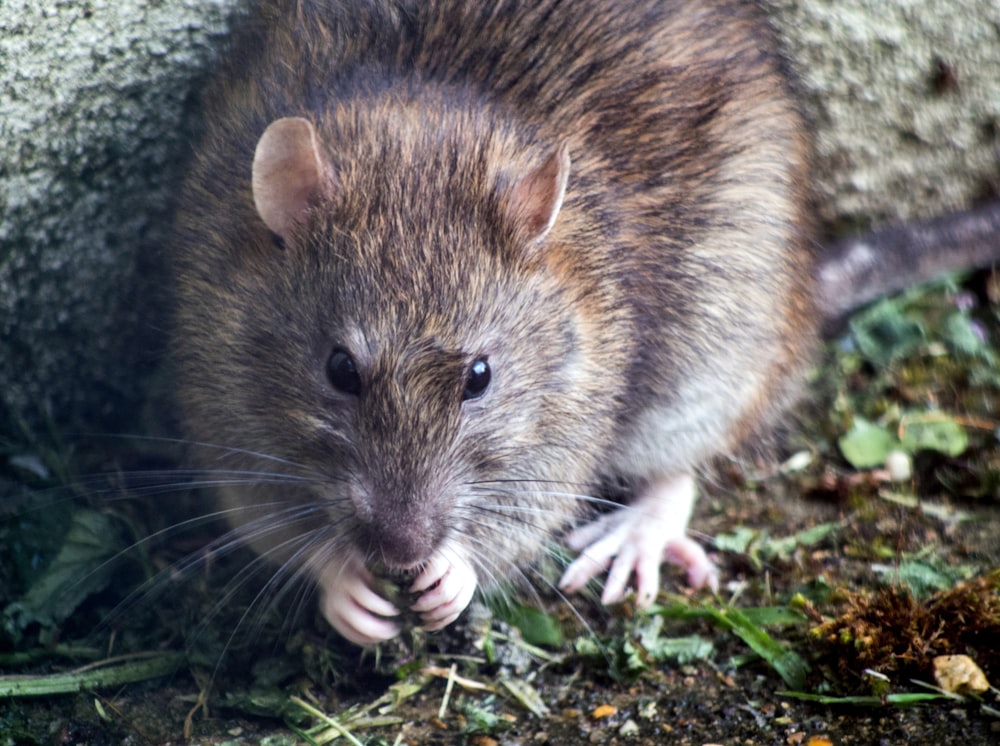
Roof rats are smaller and more slender than their cousins, the Norway rat. They have long tails, pointed noses, and large ears. They are also agile climbers. They prefer to travel along utility lines, tree branches, and fence tops. Once they find a way onto your roof, they will explore every opening. A gap as small as half an inch is enough for an adult rat to squeeze through. That is smaller than the diameter of a quarter.
These rats are nocturnal, so you might not see them during the day. But you will hear them. The scratching and scampering sounds in the attic are unmistakable. And if you have a roof rat problem, you need to act fast. They breed quickly, and one pair can turn into a dozen within a few months.
Common Entry Points on a Home
When we inspect a home in Cleveland TN, we look at specific places first. Roof rats use the same routes over and over. Here are the most common entry points we find:
- Gable vents and roof vents that are not covered with mesh wire or have loose screening.
- Soffit gaps where the siding meets the roof line. These are often overlooked during construction.
- Pipe boots around plumbing vents and exhaust pipes. The rubber boot can crack or pull away over time.
- Ridge caps that have lifted or separated from the roof shingles.
- Damaged or missing roof tiles and fascia boards.
Each of these is a potential door for a roof rat. And once they are inside, they will travel through the attic, chewing through wires and nesting in insulation. That is why a thorough inspection is the first step in any roof rat exclusion plan.
The Exclusion Process
Exclusion is not a single action. It is a series of steps that build on each other. First, we identify every entry point on the home. That means walking the roofline, checking the eaves, and looking at every vent and pipe boot. Then we seal those openings using durable materials. Steel mesh wire is our go-to for large gaps and vents. For smaller cracks, we use a high-quality sealant that stays flexible and does not crack in the weather. For pipe boots, we replace them if they are damaged or re-seal them with a proper adhesive.
But exclusion is not just about sealing. It also means removing the rats that are already inside. That is where trapping comes in. We use a combination of snap traps and Havahart live traps. Snap traps are quick and effective. Havahart traps are useful when you want to capture the animal and remove it without killing it. But you have to check them daily, and you need to know where to place them. We set traps along the travel routes the rats use, usually along walls and near entry points.
One technique that works well is the one-way door. This is a device that allows rats to exit the building but prevents them from re-entering. You install it over the entry point after the rats have left to forage. When they try to come back, they cannot get in. After a few days, you can seal the opening permanently. It is a humane and effective method that is part of a broader integrated pest management approach.
Rodent Proofing and Structural Repair
Rodent proofing is the long game. It means making your home resistant to rats for years to come. That often requires structural repair. For example, if a soffit is rotting or a ridge cap is loose, simply sealing the gap is a temporary fix. You need to repair the underlying structure so the problem does not return. That might involve replacing damaged wood, fixing loose flashing, or re-attaching gutters.
In Cleveland TN, the climate can be tough on homes. Humidity and temperature changes cause materials to expand and contract. That can open gaps that were not there before. Regular maintenance is part of rodent proofing. Check your roof vents and gable vents at least once a year. Look for signs of chewing or scratching. If you see rat droppings near the foundation or on the roof, you already have a problem.
Attic insulation is another area that often needs attention. Once rats have been in the attic, the insulation is usually contaminated with urine and droppings. It loses its R-value and can harbor bacteria. Replacing the insulation is part of the cleanup after an infestation. But if you have done proper roof rat exclusion, you should not have to deal with that again.
Tools and Materials That Work
Over the years, I have tried a lot of products. Some work, some don't. For exclusion, I rely on a few key materials. Steel mesh wire is non-negotiable. It is strong enough that rats cannot chew through it. I use it to cover gable vents, roof vents, and any large opening. For smaller gaps, a good polyurethane foam sealant works, but only if you use the rodent-resistant kind. Regular foam will be chewed through in a day.
For trapping, I prefer snap traps over rat bait stations in most cases. Bait stations have their place, but they require regular monitoring and can be a risk if not placed correctly. Rodenticide is sometimes necessary, but it should always be used inside a secure rat bait station and only as a last resort. The risk of secondary poisoning to pets and wildlife is real. I always try trapping first.
One tool that surprises homeowners is the one-way door. It is simple, effective, and does not require poison. You can buy them or make your own with a piece of mesh and a spring. They are especially useful for large infestations where you want to let the rats leave on their own schedule.
The Role of Integrated Pest Management
Integrated pest management, or IPM, is the framework we use at Hiwassee Pest Control. It means using the least toxic method first and only escalating when necessary. For roof rats, the IPM approach starts with inspection and exclusion. Then trapping. Then, if needed, baiting. The goal is not just to kill the rats but to prevent them from coming back. That is what roof rat exclusion is all about.
IPM also means considering the environment around your home. If you have fruit trees or bird feeders, those attract rats. Remove the food source, and the rats have less reason to stay. Keep your yard clean, trim branches away from the roof, and store pet food in metal containers. These simple steps reduce the pressure on your home and make exclusion more effective.
I have seen too many cases where a homeowner spends money on trapping but does not seal the entry points. The rats keep coming. Or they seal the entry points but do not remove the rats already inside. The rats find a way out, die in the wall, and create a odor problem. You have to do both. That is the reality of rodent control.

Final Thoughts on Roof Rat Exclusion
If you live in Cleveland TN and suspect you have roof rats, do not wait. The longer you wait, the more damage they do. Call a professional who knows how to inspect a home properly and perform exclusion work. At Hiwassee Pest Control, we have seen every kind of entry point and every kind of rat problem. We know that roof rat exclusion is not a one-size-fits-all solution. It requires a careful assessment of your home's structure, the right materials, and the right techniques.
But you can also take steps yourself. Check your roof vents and gable vents. Look for gaps around pipe boots and soffits. If you see daylight in your attic, that is an invitation to rats. Seal it with mesh wire or a quality sealant. And if you are not sure what to do, get a professional inspection. It is money well spent.
Roof rats are smart and persistent. But with a solid exclusion plan, you can keep them out for good.